

Tips for First-Time Home Buyers
# 1 Thing to do once you have all your ducks in a row and are ready to start looking for your home is to get a Pre-Approve letter from your lender. When you submit offers to a seller, this will be one of the first things that they will be looking for to see just how serious you are about buying their home.
If you do not have a lender start here by talking to one of my Financial Mortgage Brokers
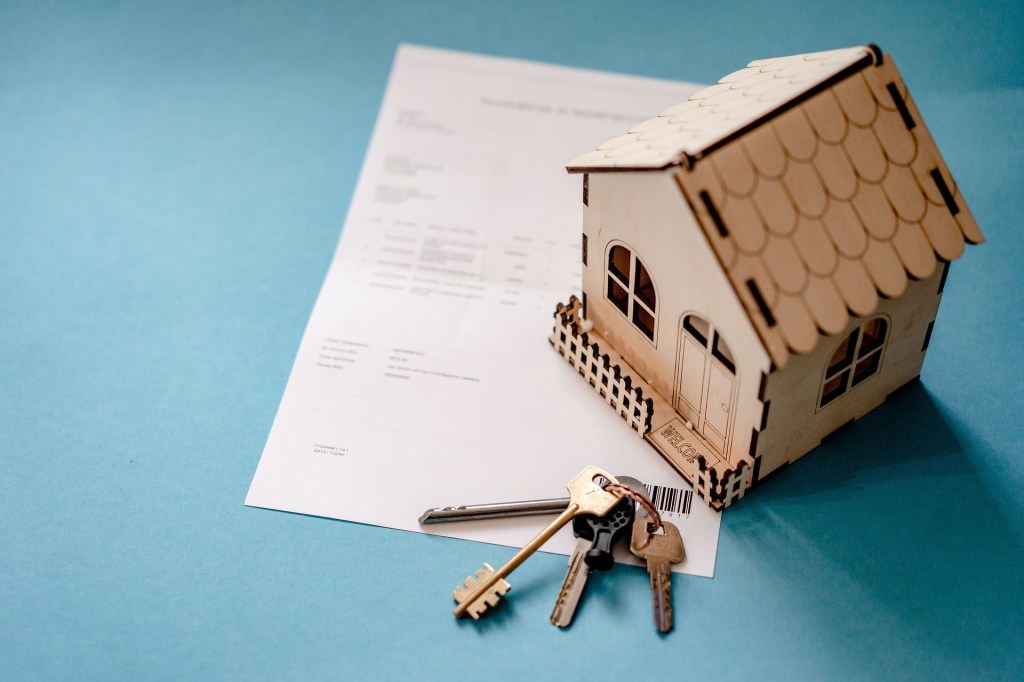
Preparing to buy tips;
1. Start saving early
Below are some of the main costs to consider when you start saving for a home:
- Down payment: Your down payment requirement will depend on the type of mortgage you choose and the lender. Some conventional lenders aimed at first-time home buyers with excellent credit and allow as low as about 3% down to close, but even a small down payment can be challenging to save for. Example of that is; 3% down payment on a $400,000 home is $12,000. Use a down payment calculator to get an idea on what your down payment will be and decide a goal, and then put a system in place to start automatic transfers to save for your down payment.
- Closing costs: These are the fees and expenses you will pay to finalize your mortgage and close on your property, and they typically range from 2% to 5% of the loan amount. You can ask the seller to pay a portion of your closing cost with your offer to purchase, and you can save on some expenses, such as home inspections, by shopping around.
- Move-in expenses: You’ll need some cash after the home purchase. Set some money aside for moving expenses and some immediate home repairs that may and well come up, also up gradings to make it your own.
2. Decide how much home you can afford
You must figure out how much you can safely spend on your home before you start your home purchasing. Go to my website and see home mortgage calculator which can help with setting a price range based on Price of Home, Down Payment, Insurance ext.
3. Check and strengthen your credit
Your credit score will determine whether you qualify for a mortgage and the interest rate lenders will offer you. Take these steps to strengthen your credit score to buy your home:
- Get free copies of your credit reports from all three of the credit bureaus — Experian, Equifax and TransUnion — and dispute any errors that could hurt your score.
- Pay all your bills on time, and keep all credit card balances as low as possible.
- Keep current credit cards open, closing a card will increase the portion of available credit you use, which can lower your score.
- Obtain No New Credit until you close on your home and I mean No New Credit !!!! ( it becomes a debt and will lower your buying power ).
4. Explore mortgage options
· A variety of mortgages are available with varying down payment and eligibility requirements. Here are the main categories:
· Conventional mortgages are not guaranteed by the government. Some conventional loans targeted at first-time buyers require as little as 3% to 20% down.
· FHA loans are insured by the Federal Housing Administration and allow down payments as low as 3.5%.
· USDA loans are guaranteed by the U.S. Department of Agriculture. They are for rural home buyers and usually require no down payment.
· VA loans are guaranteed by the Department of Veterans Affairs. They are for current and veteran military service members and usually require no down payment.
You also have options when it comes to the mortgage terms. Most home buyers opt for a 30-year fixed-rate mortgage, and has an interest rate that stays the same. A 15-year loan typically has a lower interest rate than a 30-year mortgage, but the monthly payments are much larger.
You also have options like an adjustable-rate mortgage (ARM). ARM is a home loan with an interest rate that adjusts over time based on the market. ARMs typically start with a lower interest rate than fixed-rate mortgages, ARM is a great option if your goal is to get the lowest possible mortgage rate starting out.
However, the interest rate won’t last forever. After the initial period, your monthly payment can fluctuate periodically, which can put you in a bind. Higher rates mean higher monthly payments, so be sure that you fully understand this option before signing that dotted line.
5. Compare mortgage rates and fees
The Consumer Financial Protection Bureau recommends requesting loan estimates for the same type of mortgage from multiple lenders to compare the costs, including interest rates and possible origination fees before making your commitment.
Lenders may offer the opportunity to buy discount points, which are fees the borrower pays upfront to lower the interest rate. Buying points can make sense if you have the money on hand and plan to stay in the home for a long time.
6. Get a preapproval letter
A mortgage preapproval is a lender’s offer to loan you a certain amount under specific terms. Having a preapproval letter shows home sellers and real estate agents that you’re a serious buyer, and can give you an edge over home shoppers who haven’t taken this step yet.
Apply for preapproval when you’re ready to start home shopping. A lender will pull your credit and review all requested documents to verify your income, assets and debt. Applying for preapproval from more than one lender to shop rates shouldn’t hurt your credit score as long as you apply for them within a limited time frame, such as applying to all within a 30 days frame.
I hope all this information was helpful and getting you on the right path to home ownership. Please feel free to Text, Call, E-mail me with any questions you may have. I am here to assist you in all your home buying needs.



 Above It All Diamond Realty